




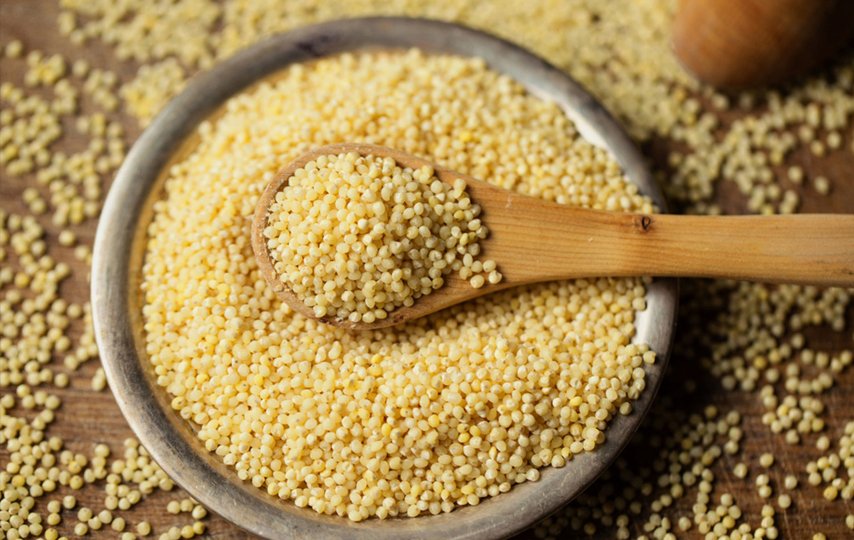
In recent years, millets have gained renewed attention in the health food community, and it’s easy to see why. These ancient grains, often overshadowed by more mainstream cereals, are packed with nutrients and offer a variety of health advantages. This blog will explore the fascinating world of millets, including their history, nutritional benefits, and how they can enhance your diet.
What Are Millets?
Millets are small-seeded grasses that belong to the Poaceae family and have been cultivated for thousands of years, mainly in Asia and Africa. Some common types of millets include:
- Pearl Millet: Known as bajra in India, it’s one of the most widely cultivated varieties.
- Finger Millet: Also referred to as ragi, it is especially popular in South India.
- Foxtail Millet: A nutritious grain gaining popularity in various cuisines.
- Little Millet: A smaller variety often used in traditional dishes.
- Barnyard Millet: High in fiber and low in calories.
These grains are gluten-free and highly nutritious, making them an excellent choice for those prioritizing health.
Nutritional Profile of Millets
Millets are nutrient-dense and contain essential vitamins and minerals. Here’s an overview of their nutritional composition per 100 grams (cooked):
- Calories: Approximately 119 kcal
- Protein: 3.5 grams
- Carbohydrates: 22 grams
- Fiber: 2.5 grams
- Fat: 1.2 grams
- Calcium: 18 mg
- Iron: 0.9 mg
- Magnesium: 44 mg
- Phosphorus: 34 mg
- Potassium: 180 mg
- High in Dietary Fiber
Millets are notable for their high fiber content, which plays a key role in digestive health:
- Digestive Health: Fiber promotes regular bowel movements and helps prevent constipation while fostering the growth of healthy gut bacteria.
- Weight Management: High-fiber foods increase satiety, aiding in appetite control and potentially supporting weight loss.
- Blood Sugar Control: The slow digestion of fiber-rich foods helps stabilize blood sugar levels, making millets a suitable choice for individuals with diabetes.
- Gluten-Free Alternative
Being naturally gluten-free, millets are a safe and nutritious option for those with celiac disease or gluten sensitivity, offering a healthy alternative to wheat and other gluten-containing grains. - Rich in Essential Nutrients
Millets are a source of vital nutrients, including:
- Vitamins: Rich in B vitamins, which are crucial for energy metabolism and brain health.
- Minerals: Contain important minerals like iron, magnesium, and calcium, essential for various bodily functions.
- Antioxidants: These grains are packed with antioxidants that combat oxidative stress and inflammation.
- Supports Heart Health
Incorporating millets into your diet can have positive effects on heart health:
- Cholesterol Management: The soluble fiber in millets can help lower LDL (bad) cholesterol levels, reducing heart disease risk.
- Blood Pressure Regulation: Magnesium-rich millets support healthy blood pressure levels and cardiovascular health.
- Aids in Bone Health
The calcium and phosphorus content in millets contributes to maintaining bone density and reducing the risk of osteoporosis, particularly important as we age. - Provides Energy
Millets are an excellent source of complex carbohydrates, delivering sustained energy. They are a great option for athletes or anyone leading an active lifestyle. - Anti-Inflammatory Properties
Millets contain bioactive compounds with anti-inflammatory properties. Chronic inflammation is linked to various diseases, and including millets in your diet may help reduce this risk. - Rich in Phytochemicals
These grains are abundant in phytochemicals, such as phenolic acids and flavonoids, which have antioxidant and anti-inflammatory effects, promoting overall health. - Easy to Incorporate into Your Diet
Millets are versatile and can be added to various dishes:
- Breakfast: Cook millet porridge and top it with fruits, nuts, or honey.
- Salads: Use cooked millets as a base for salads with your favorite veggies and dressings.
- Soups and Stews: Add millets for added texture and nutrition.
- Baking: Use millet flour to create healthier bread, muffins, or pancakes.
- Sustainable and Eco-Friendly
Millets require less water and thrive in arid conditions, making them a sustainable choice. Incorporating millets into your diet supports environmentally friendly agricultural practices.
Sai Food Stuff Trading LLC is committed to bringing a variety of authentic millets to the UAE, ensuring they maintain their traditional taste and nutritional benefits. We source our millets directly from trusted producers in India, allowing us to preserve their unique flavors and high quality. Our efforts extend beyond just distribution; we aim to educate consumers about the health benefits of millets through cooking demonstrations and workshops. By participating in food festivals and collaborating with local chefs, we are actively working to make these ancient grains accessible to an international audience.
Conclusion
Millets are a nutritional powerhouse, offering a wide array of health benefits. From enhancing digestive health and weight management to providing essential nutrients and supporting heart health, these ancient grains deserve a prominent place in modern diets. Their gluten-free nature and versatility allow for easy incorporation into various dishes, making them suitable for everyone.
As you explore ways to include millets in your meals, consider their cultural significance in diverse cuisines. By embracing millets, you not only nourish your body but also connect with rich culinary traditions that have celebrated these grains for centuries.
Incorporate millets into your daily meals and experience their numerous health benefits. Whether you aim to boost your energy, improve digestion, or simply try something new, millets are an excellent choice that will leave you feeling satisfied and nourished.
